

How Smart Trash Cans Upgrade Public Space Efficiency and Reduce Maintenance Costs for Smart City Development
As cities accelerate smart city construction, public waste management is shifting from rigid scheduled collection to data-driven precision operation. Deploying a smart trash can at each high-traffic public point delivers measurable returns in both user experience and operational cost. A smart trash can integrates sensor technology, automatic opening and fill-level monitoring into a standard outdoor waste cabinet, turning a passive container into an active node in the urban waste system.
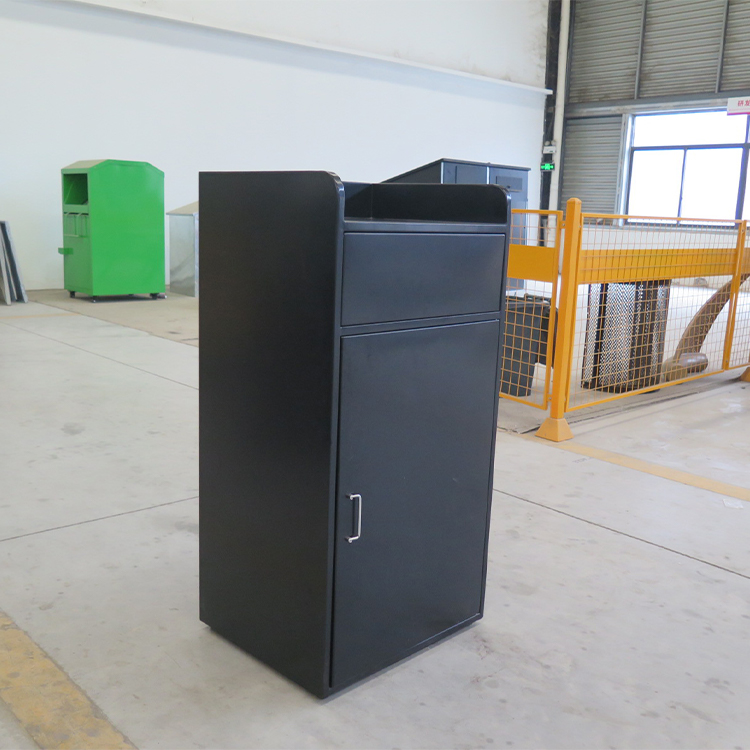
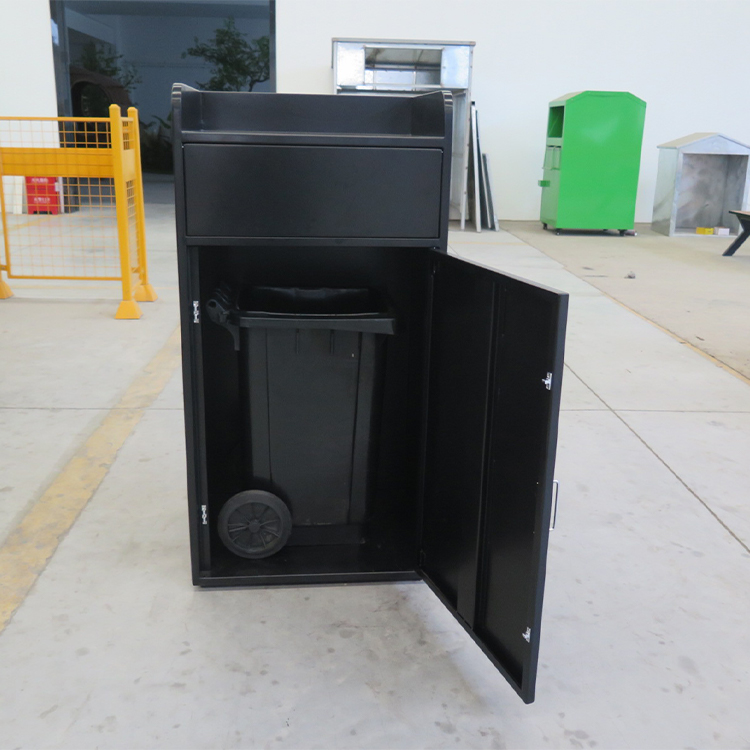
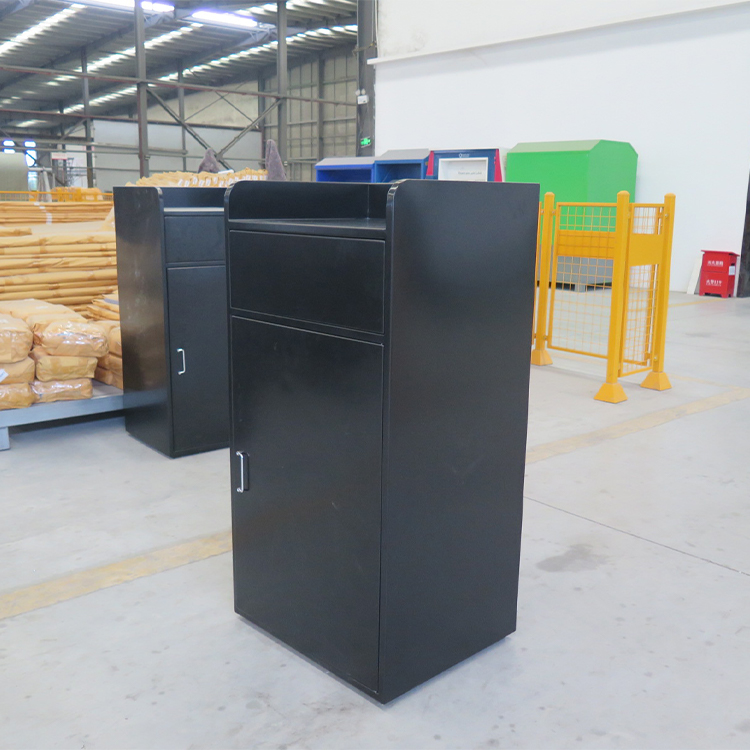
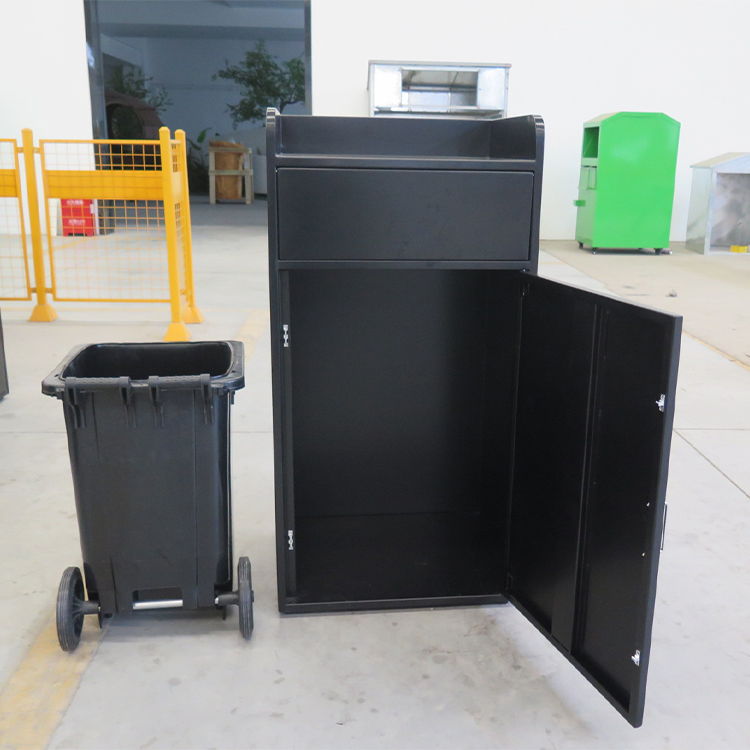
The unit shown is a representative outdoor smart model: a tall enclosed steel cabinet in matte black finish, a sensor-activated top lid for hands-free disposal, a lower lockable service door with a horizontal pull handle, and a built-in inner liner accessible quickly during collection. Its sleek vertical profile fits neatly along sidewalks, at building entrances and in commercial plazas, with a clean understated appearance that fits modern urban design while delivering intelligent functionality. For municipal teams and commercial property managers, this smart trash can improves both public hygiene and operational efficiency without sacrificing visual quality.
Hygiene & Touch-Free Disposal
The sensor-activated lid opens automatically when a user approaches, eliminating the need to touch a potentially dirty surface. This is particularly valuable in high-traffic public areas such as transit hubs, shopping districts and hospital campuses, where reducing contact points helps lower the spread of germs. The fully enclosed body also contains odors and keeps rain, pests and scavenging animals out.
Optimized Collection Routing
A smart trash can with fill-level sensors transmits real-time capacity data to a central management platform, so cleaning teams only visit units that are ready for emptying. This cuts unnecessary route stops, reduces fuel and labor costs, and ensures overflowing bins are addressed promptly. Data-driven approach can reduce collection mileage by 20 to 30 percent.
Data-Driven Management
Aggregated fill-level data reveals usage patterns across different locations and time periods, helping city planners identify high-waste hotspots. For example, data may show that bins near food courts fill up 30 percent faster on weekends, allowing managers to add temporary units or increase collection frequency during peak periods.
Haoyida factory designs every smart trash can to adapt to different project requirements, rather than offering a one-size-fits-all solution. The matte black finish shown is a standard neutral option, but the factory produces units in a wide range of custom colors to match brand palettes, campus color schemes or municipal street furniture standards. Buyers can also select from multiple function modules: basic sensor-only opening, fill-level monitoring with local alerts, or full IoT connectivity with cloud data upload.
Wholesale distributors and municipal procurement teams value the flexible MOQ, consistent OEM quality and competitive factory pricing across repeat smart city projects. Whether the project requires a small pilot set of units for one business district or a full container of standardized smart trash can units for a city-wide rollout, the factory scales production to match order size.
As smart city construction continues to advance, smart waste infrastructure will become a standard part of the public street furniture system. A well-built smart trash can delivers immediate hygiene and cost benefits while laying the data foundation for more refined urban management in the future.
For global buyers planning a smart city or commercial district waste upgrade, Haoyida is ready to provide detailed quotations, function module introductions and custom configuration options. Send your project scope, function requirements and color preferences to receive a tailored proposal and production lead time.
Post time: Nov-20-2026


